

Tra le opere in concorso proiettate alla VI Edizione del FilMuzik Arts Festival, manifestazione cinematografica-musicale con la direzione artistica di Alberto Gatto, in programma fino a sabato 31 agosto al Giardino di Palazzo Amaduri a Gioiosa Ionica (RC), il documentario All the Eyes, opera prima di Mohammad Abedi, scrittore e sceneggiatore iraniano, insegnante di Filosofia Occidentale e Letteratura Persiana (il suo romanzo Lictor è stato pubblicato in più di 10 paesi), mi ha colpito per la sensibilità con cui tratta la tematica dell’infanzia all’interno di una realtà disagiata, volgendo dal particolare all’universale. Mi sono quindi adoperato per contattarlo, così da condividere le sensazioni suscitate dalla visione del film.
Mohammad, All the Eyes represents your debut as a director. What were the reasons that led you to this choice? Have you had any difficulties regarding production and distribution?
Mohammad, All The Eyes rappresenta il tuo debutto come regista. Quali le motivazioni che ti hanno condotto a questa scelta? Hai avuto delle difficoltà relativamente a produzione e distribuzione?
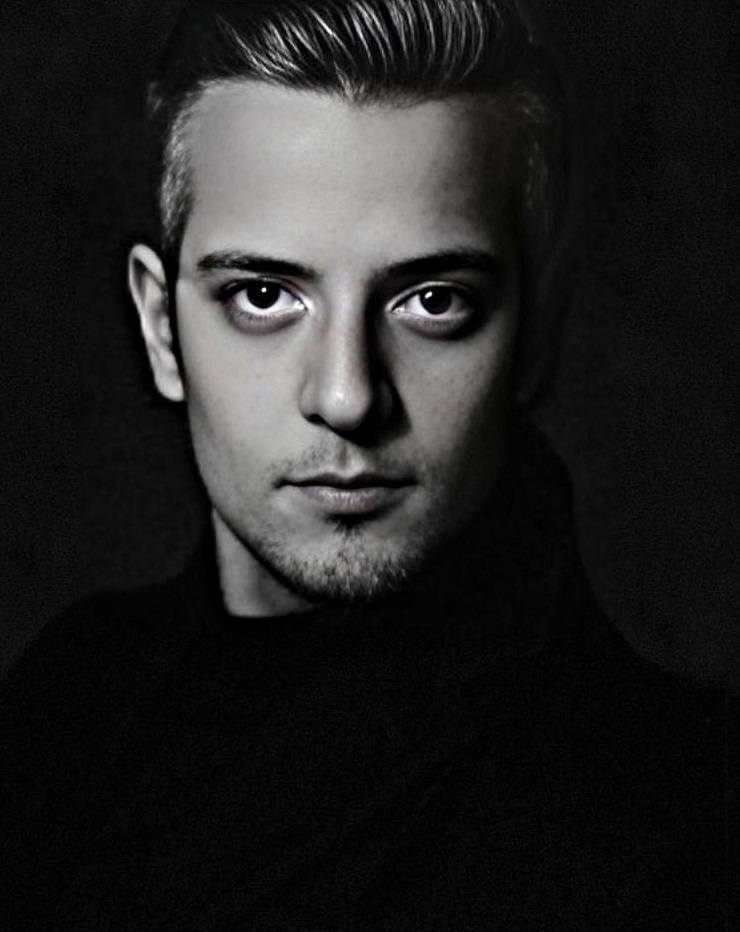
“Interest in representing the situation. I felt that the situation I was observing could have been better represented by film art. That’s why I decided to record the images I see. During the making of this documentary, naturally we encountered some problems. For example, the unwarranted fear of most teachers after seeing that this is going to be a movie. They treated me very well in the first days. After a while, their behavior changed a lot and they did not want to interview or even talk to me. What I noticed was that it was as if some authority figure in the area had warned the teachers about this. I haven’t thought about releasing the film publicly yet”.
“Interesse nel rappresentare la situazione. Sentivo che la situazione che stavo osservando avrebbe potuto essere meglio rappresentata dall’arte cinematografica. Ecco perché ho deciso di filmare le immagini che vedevo. Durante la realizzazione di questo documentario, naturalmente, abbiamo riscontrato alcuni problemi. Ad esempio, la paura ingiustificata della maggior parte degli insegnanti dopo aver visto che il materiale raccolto sarebbe diventato un film. Mi hanno trattato molto bene i primi giorni. Dopo un po’, il loro comportamento è cambiato molto e non volevano più essere intervistati e nemmeno parlarmi. Quello che ho notato è che era come se qualche autorità della zona li avesse avvertiti delle mie intenzioni. Non ho ancora pensato di rilasciare pubblicamente il film”.
I was very moved by the initial sequence, when we see the city of Kotij as a whole, and then move along its streets and make us experience first-hand the perceptible sense of poverty… Your comment on the matter.
Mi ha molto emozionato la sequenza iniziale, quando si vede la città di Kotij nel suo insieme, per poi spingersi lungo le sue strade e farci toccare con mano l’avvertibile senso di povertà…Un tuo commento al riguardo.
“Yes. As if from a distance, many places are beautiful. When we take a closer look, we become aware of the holes in the heart of a human society. Then, an individual look at people wants to show that poverty is not an insignificant statistic. Millions of poor people in the world are made up of the same people whose situation is represented in the film”.
“Sì, visti da lontano, molti posti sono belli. Quando guardiamo più da vicino, diventiamo consapevoli dei buchi nel cuore della società umana. Quindi, uno sguardo individuale alle persone sta a dimostrare che la povertà non è una statistica insignificante. Milioni di poveri nel mondo sono rappresentati dalle stesse persone la cui situazione è visualizzata nel film”.
How did you approach boys and girls in asking them questions? What did you notice in particular about their way of seeing life, their hopes and expectations?
Con quale modalità ti sei accostato a ragazzi e ragazze nel porgere loro le domande? Cosa hai notato di particolare riguardo il loro modo di vedere la vita, le loro speranze e aspettative?
“It was definitely very sad that when we asked the children, “What is your biggest wish?“, most of them didn’t even know what “wish” meant. Or even if a child’s greatest wish is a bicycle or a teddy bear. The presence of God-believing mentality was felt in their existence and they had a lot of hope in God. Becoming a teacher was the dream of some of them, and I feel the same has been imposed on them by the ceilings of a society. Also, their desire to grow up to be a footballer is interesting and appreciable. It could be said that among the children, there were some who were thinking about something beyond their own living area. The big dream of playing in Real Madrid. There was a strange feeling in me while hearing these dreams. I was both happy and sad because realism told me that he could never achieve this dream, not only at Real Madrid, but at the national level as well. Because when he gets a little older, poverty smiles at him and he has to work hard to earn some money for living expenses”.
“È stato sicuramente molto triste notare che quando abbiamo chiesto ai bambini: Qual è il vostro desiderio più grande?, la maggior parte di loro non sapesse nemmeno cosa significasse desiderio. O anche se il desiderio più grande di un bambino fosse una bicicletta o un orsacchiotto. La presenza di una mentalità credente in Dio è sicuramente avvertita nella loro esistenza e hanno molta speranza in Dio. Diventare insegnante è il sogno espresso da alcuni di loro, e avverto che questo è stato imposto loro dai limiti della società. Interessante e apprezzabile anche la loro voglia di diventare calciatore da grande. Si potrebbe dire che tra i bambini ce n’erano alcuni che pensavano a qualcosa che andava oltre la propria area di appartenenza, come il grande sogno di giocare nel Real Madrid. C’era una strana sensazione in me mentre ascoltavo questi sogni. Ero allo stesso tempo felice e triste perché il senso della realtà mi diceva che non avrebbero mai potuto realizzare questo sogno, non solo riguardo il Real Madrid, ma anche a livello nazionale. Perché appena diventano un po’ più grandi, la povertà gli sorride e devono lavorare sodo per guadagnare qualche soldo e sopravvivere”.
I believe that a certain attachment to religious orientation on the part of the younger ones is evident throughout the narrative. How much does this influence their lives, particularly in social relationships?
Credo sia evidente nel corso della narrazione un certo attaccamento anche da parte dei più giovani riguardo l’orientamento religioso. Quanto questo influenza le loro vite, in particolare nei rapporti sociali?
“Yes, indeed, this region of Iran is very religious. I believe that the religious beliefs of Iran’s Sunnis are much more than that of the Shiites in the young generation. There was not much communication between men and women. In the entire time I was in this city, I only talked to 5 women. They were also because of the interview”.
“Sì, in effetti, questa regione dell’Iran è molto religiosa. Credo che le credenze religiose dei sunniti iraniani siano molto più rilevanti di quelle degli sciiti nell’ambito delle giovani generazioni. Non vi è stata molta comunicazione tra uomini e donne. Durante tutto il tempo che sono stato in questa città, ho parlato solo con 5 donne, anche a causa dell’intervista che volevo rivolgere loro”.
Another sequence that particularly moved me is the one featuring the young Mahsa. How much does it represent the current female condition in Iran?
Un’altra sequenza che mi ha particolarmente emozionato è quella che vede protagonista la giovane Mahsa. Quanto rappresenta l’attuale condizione femminile in Iran?
“Iran is a big society. Full of different cultures. For this reason, we cannot generalize every incident to the whole of a society. Naturally, in the more traditional areas of Iran, women have much less rights, their dreams are covered, many men in those areas look down on them. Due to the closed space of those areas, women are less able to get their rights. In other regions of Iran, women can more easily strive for their rights. Maybe they feel more support from the men of that area. Maybe because of less repression in childhood, they have the confidence to fight for their rights”.
“L’Iran è una grande società. Piena di culture diverse. Per questo motivo non possiamo generalizzare ogni episodio nell’ambito dell’intera società. Naturalmente, nelle zone più tradizionali dell’Iran, le donne hanno molti meno diritti, i loro sogni restano nascosti e molti uomini in quelle zone le guardano dall’alto in basso. A causa dello spazio chiuso di queste aree, le donne hanno meno possibilità di far valere i propri diritti. In altre regioni dell’Iran, le donne possono più facilmente lottare per i propri diritti. Forse sentono più sostegno da parte degli uomini di quella zona. Forse grazie alla minore repressione subita durante l’infanzia, rinvengono la fiducia necessaria per lottare per i propri diritti”.
Last question, thanking you for your availability, do you intend to continue your experience as a director and if so, what would you like to achieve?
Ultima domanda, ringraziandoti per la disponibilità, hai intenzione di continuare la tua esperienza come regista e se sì, cosa vorresti realizzare?
“After years of thinking that humans can be effective in changing the world around them, I came to the conclusion that nothing can have much impact in this world. I feel that now, I make artwork just for my own interest, because it gives me the feeling of being alive. My goal in art is to achieve peace of mind. I think every person needs to find something to get addicted to because of their mental issues. I am also addicted to art and with it I can feel a little better about life. Everything I am eager to achieve now is related to peace of mind”.
“Dopo aver pensato per anni che gli esseri umani potessero riuscire a cambiare il mondo che li circonda, sono giunto alla conclusione che nulla può avere un così grande impatto al riguardo. Il mio attuale stato d’animo mi porta a pensare di realizzare opere d’arte solo per il mio interesse, perché mi dà la sensazione di essere vivo. Il mio obiettivo nell’arte è raggiungere la tranquillità. Penso che ogni persona abbia bisogno di trovare qualcosa con cui sostenersi per alleviare le proprie problematiche. Io l’ho rinvenuta nell’arte e grazie ad essa posso sentirmi un po’ meglio nei confronti dell’esistenza. Tutto ciò che desidero ottenere ora è legato alla tranquillità”.


 Sunset Boulevard
Lascia un commento